
Hand-painted color · Las Cruces
Balayage
Balayage in Las Cruces means lightener painted on by hand, strand by strand, in the places the sun would have found on its own. It grows out soft, it reads right in full daylight, and it is built for your hair rather than copied onto it.
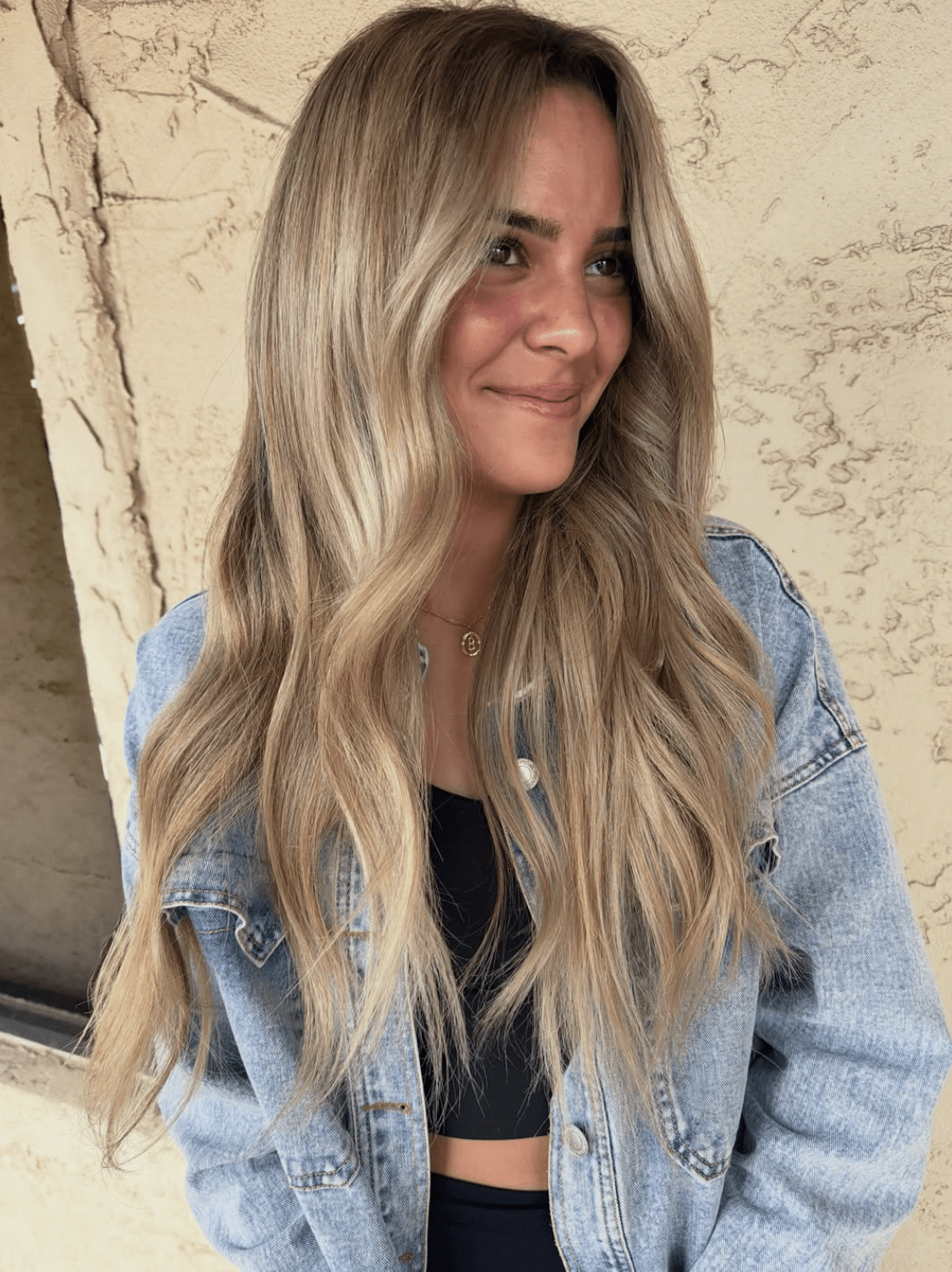
Sunlit blonde balayage · hand painted at Studio One Six
balayer
French · to sweep
The name is the instruction. A stylist loads the brush and sweeps it down the hair in an open, freehand motion, deciding placement in the moment rather than following a grid. There is no foil to force a straight edge and no cap to pull strands through at random. What comes out is a gradient instead of a stripe.
Balayage=specialized color placement
Brittney Ingram · Studio One SixWhere it came from
Fifty years of refusing the hard line
Balayage is not a trend that arrived with Instagram. It is a fifty-year-old rebellion against a very specific look, and knowing that history explains why it still feels different in the chair.
Paris
Developed at the Carita salon, at a moment when coloring meant foils or a rubber frosting cap and a crochet hook. Both produced uniform, repeating results. Painting by hand was the reaction to that uniformity: color placed where a colorist decided it belonged, not where a grid put it.
Los Angeles
The technique crossed to high-end American salons and became a quiet marker of money. It read as expensive precisely because it did not read as done. If nobody could tell you had colored your hair, you had paid someone very good.
Everywhere
Social platforms turned a salon secret into the default request. Two things carried it: it photographs beautifully in daylight, and it grows out without a line, which meant people could go months between appointments and still look deliberate.
Why it matters here
Desert hair is its own problem
Most writing about balayage assumes a coastal climate. Las Cruces is not that. Color behaves differently at 4,000 feet under a sun that shows up most days of the year, and pretending otherwise is how people end up disappointed six weeks in.
The sun is a second colorist
Southern New Mexico gets sun almost year-round, and ultraviolet light keeps lifting your color long after you leave the chair. Warm tones surface, cool tones fade, and blondes drift brassy faster than they would somewhere overcast. Hand-painted color absorbs that better than foils do, because the placement is already irregular. When the sun lightens it further, it lightens something that was never uniform to begin with.
Dry air, hard water
Low humidity pulls moisture out of the hair shaft, and the mineral content in the water here deposits on top of it. Together they dull tone and roughen texture, which reads as color that has gone flat when the pigment is often still there. This is why we build a conditioning treatment into most color appointments rather than selling it as an upsell afterward.
You are outside more than you think
Dripping Springs, the Organ Mountains, the farmers market on Saturday morning, football at the stadium. A color that needs shade and a flat iron to look right is the wrong color for this town. Balayage that is placed well looks correct in harsh midday light, which is the light most people here are actually standing in.
Time between visits is the real luxury
Because there is no demarcation line at the root, the grow-out is soft rather than obvious. Most clients stretch three to four months between full appointments, with a gloss in between if they want the tone refreshed. That is not a compromise on the look. It is the reason the technique exists.
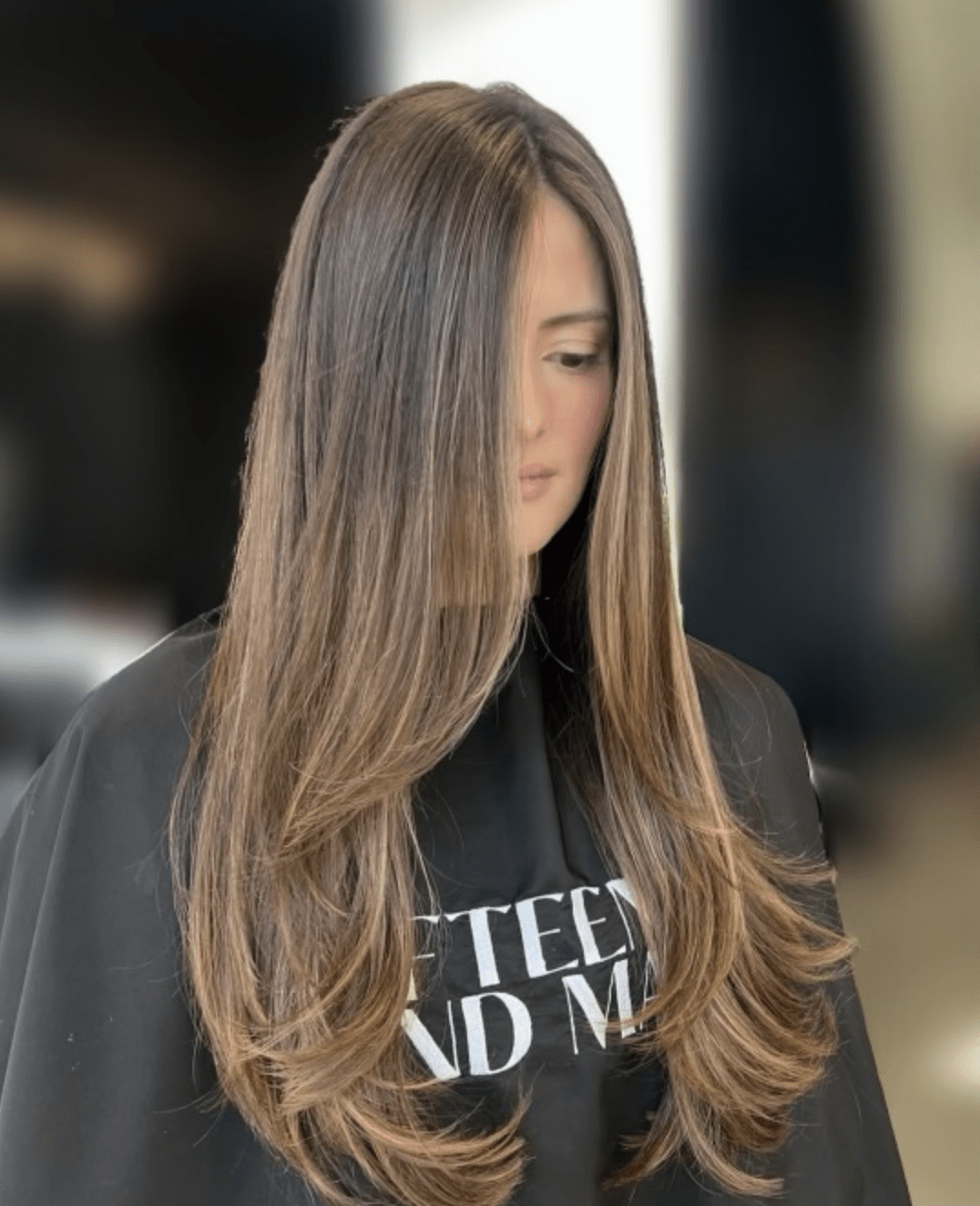
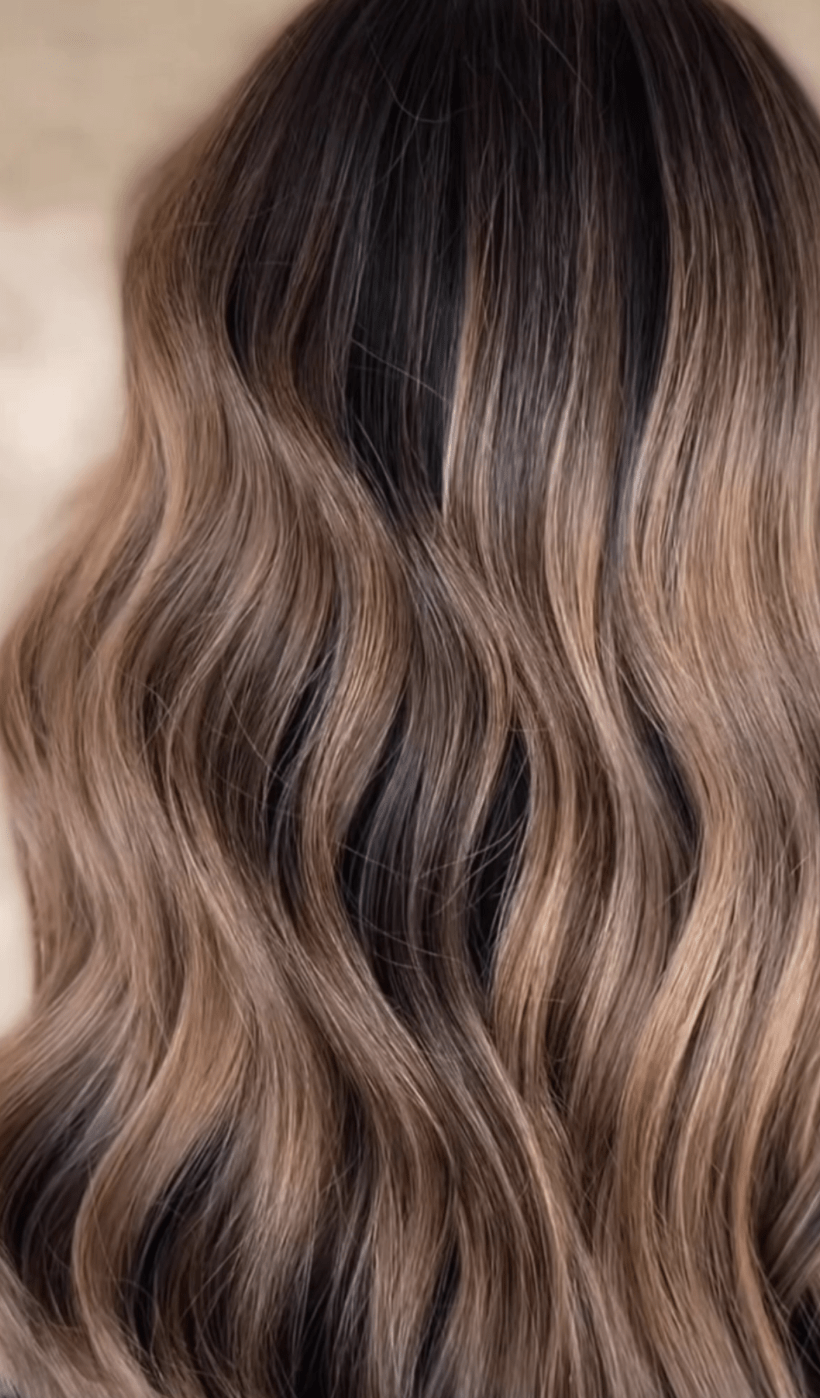
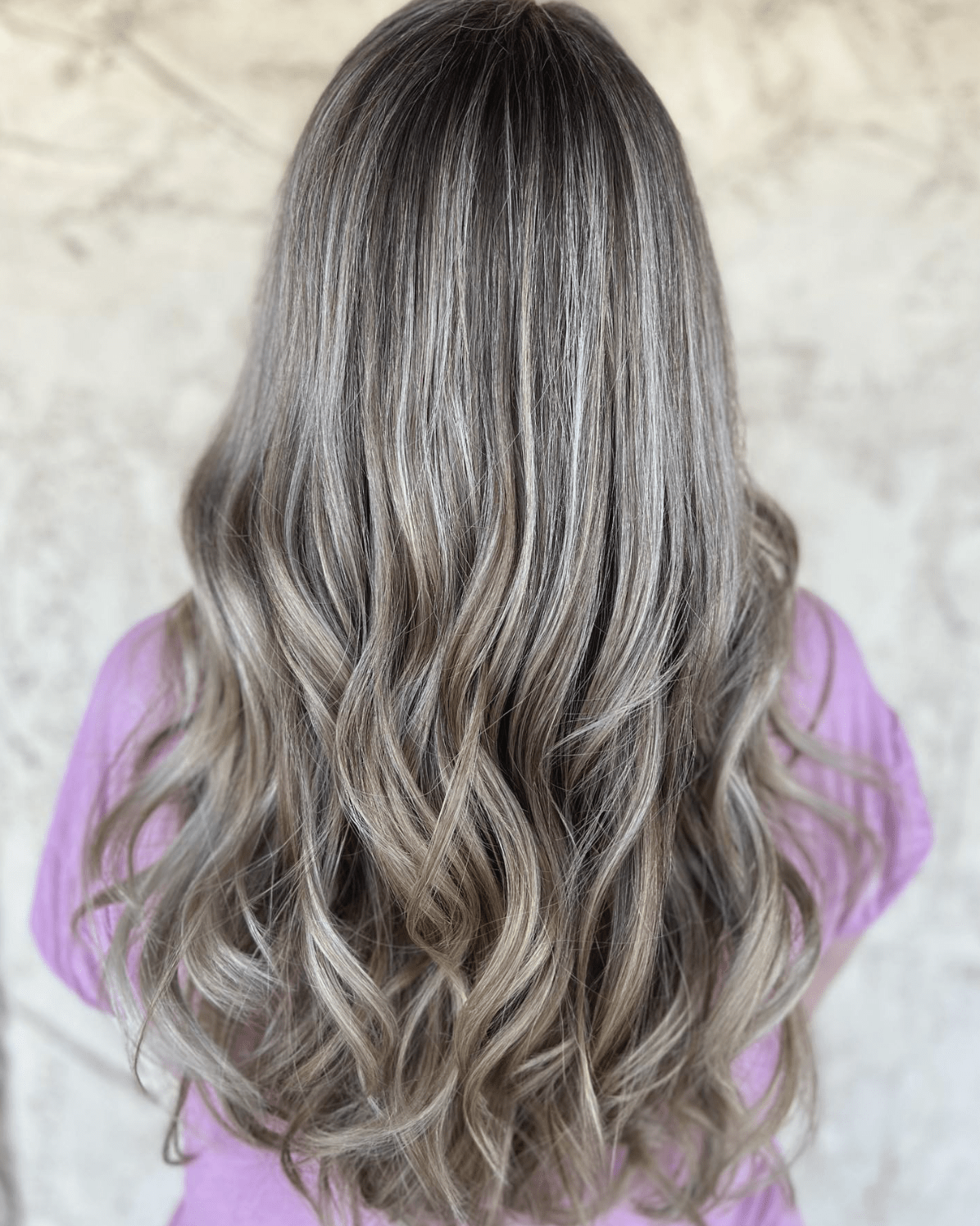
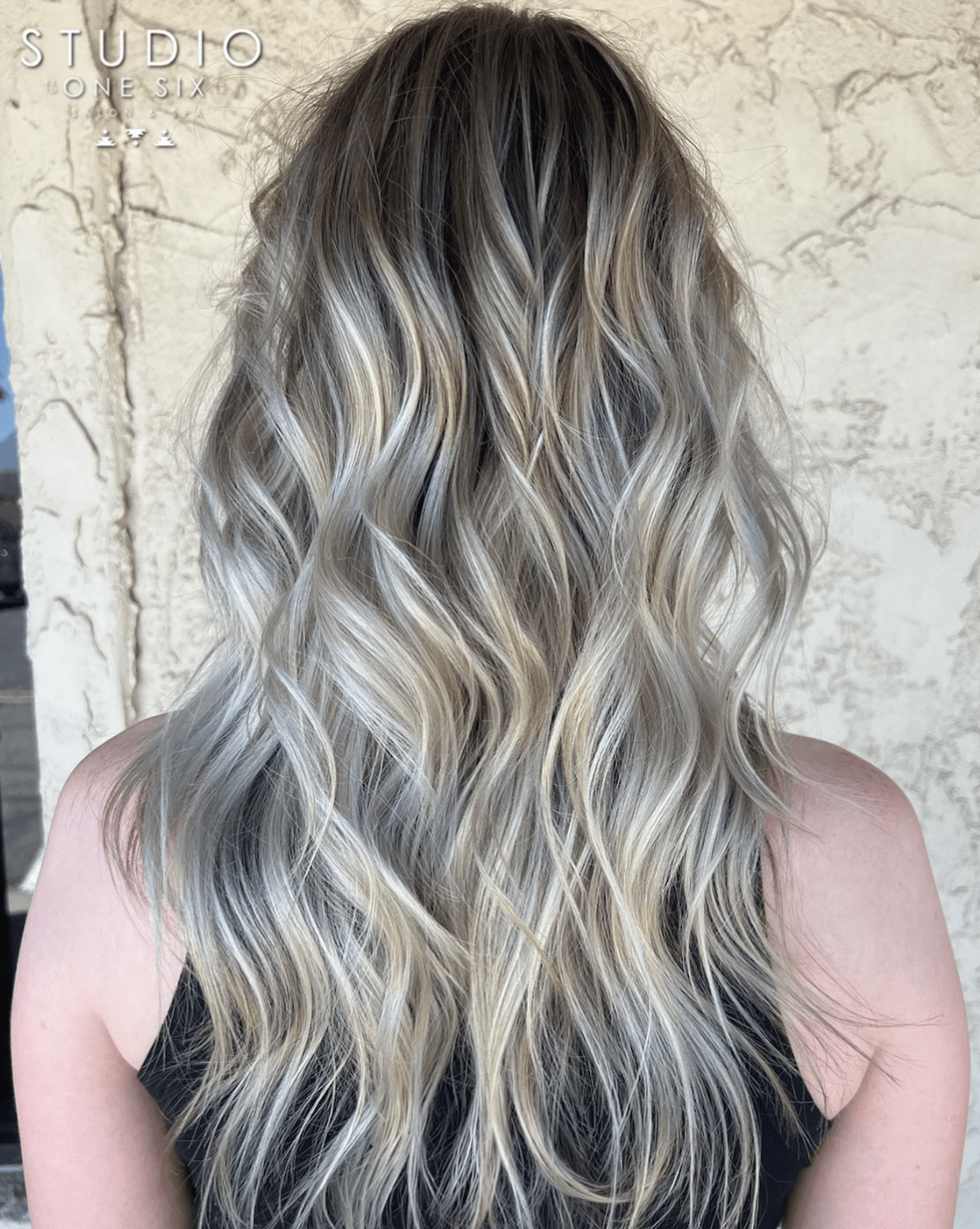
Four clients, four starting colors, one technique
Who does the work
Freehand means someone is deciding

The thing that separates a good balayage from a disappointing one is not the product. It is judgment: where the light should sit for your face, how far up to bring it for your haircut, how much lift your hair can take before the ends stop behaving. Foils can be taught as a pattern. Freehand painting cannot.
There is always something new to be learned and strive for, and your biggest competition is yourself.
Brittney Ingram
Brittney opened Studio One Six in La Mission Plaza in 2016 and has been behind the chair for more than eighteen years. She specializes in customized color placement, precision cutting, and color correction, which is the discipline that teaches you the most about how hair actually lifts. She keeps taking education, and she says openly that the point of it is to stay uncomfortable.
The salon carries a 4.9 rating across 49 Google reviews. Those reviews come from people who kept coming back, which is the only kind of endorsement worth much in this trade.
What the appointment is actually like
Three hours is a long time to sit with someone
Balayage is not a quick service, and pretending otherwise does nobody any favors. You are going to be in that chair for the better part of an afternoon. Whether that time feels like an errand or feels like yours is the part nobody puts on a price list, and it is the part most people are really asking about when they ask where to get their hair done.
You get the same person
Color is cumulative. What was done last time determines what is possible this time, and a stylist who painted your hair four months ago already knows how it lifts, where it goes warm, and what you said you were tired of. Starting over with someone new every visit means explaining your hair from scratch every visit. You can request your stylist when you book, and most people here settle with one and stay.
The time is yours
Appointments are booked at the length the service actually takes. That is why balayage shows as two and a half hours in the booking system. The practical result is that the consultation gets its time, the toner gets its time, and the finish gets its time. You leave when the work is done.
Say what you actually want
Sometimes the photograph you brought stops being the thing you want once you see the first sections come up. Say so. It is far easier to adjust placement or shift a toner while we are still working than it is to fix a finished head of hair a week later. Nobody here takes it personally, and being told what you actually want is more useful than being told the polite thing.
Small salon, on purpose
Studio One Six is a small balayage salon in Las Cruces, one team in a plaza on East Idaho. Your name is known here. The people in the chairs beside you are somebody’s regulars too, and the conversation picks up where it left off last time. Staying small is a choice, and the trade-off is that the calendar fills, so book ahead when you know your date.
Bring something
A book, headphones, work on a laptop, or nothing at all. Your hands are free for most of the appointment and there is no obligation to make conversation for three hours if you would rather not.
Eat first
A morning balayage runs past lunch and an afternoon one runs toward dinner. It is a small thing that makes a large difference to how the last hour feels.
Leave the last twenty minutes
The finish is where you learn how to wear it. Do not book something immediately after, or you will lose the part where we show you how it falls and what to do with it at home.
How the appointment goes
Nothing gets painted before we talk
-
The conversation
What you want, what you have tried before, what your mornings actually look like. Box dye and previous lightening both change what is possible, and it is better to know that at the start than three hours in. If what you are asking for needs more than one appointment, you will hear that now.
-
Reading your hair
Density, texture, porosity, and how your existing color sits along the strand. This decides how much lift is safe and where the painting should begin. Two people asking for the same photograph will not get the same placement, because they are not bringing the same hair.
-
Painting
Lightener applied by hand, section by section, heavier through the mid-lengths and ends and feathered upward so there is no starting line. Placement is built around your cut and how your hair falls, so the brightness lands where it will actually be seen. This is the specialized part, and it is the whole service: the product is ordinary, the decision of where it goes is not.
-
Toning
Lifting gets you to a level. Toning gets you to a color. A gloss or toner sets the finished tone, settles unwanted warmth, and adds the shine that makes the difference between lightened hair and finished hair. It is the step that turns the work into a result.
-
Conditioning and finish
A treatment at the bowl to put moisture back after lightening, then a cut if you booked one, then a blow-dry so you leave seeing the result the way you will wear it. You will also leave knowing when to come back and what to use at home.
The menu
Balayage and color services in Las Cruces
Every price below links straight to that service in our booking system. Color pricing varies with length, density, and stylist. Longer or denser hair takes more product and more time, and the quoted price can move accordingly.
Balayage
Hand-painted, no foilsBefore and after
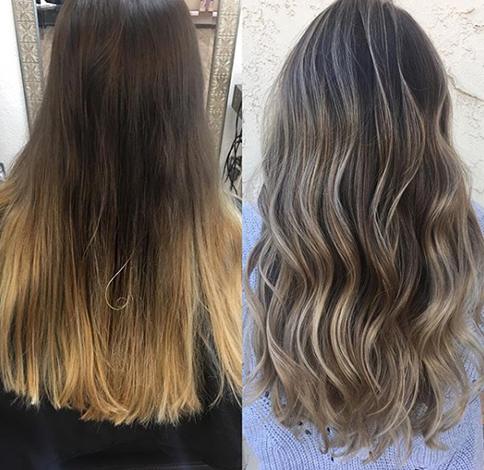
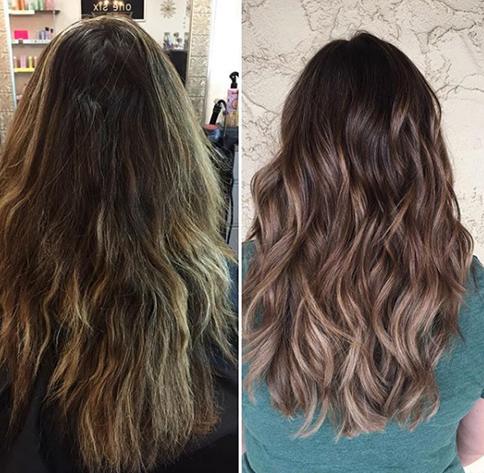
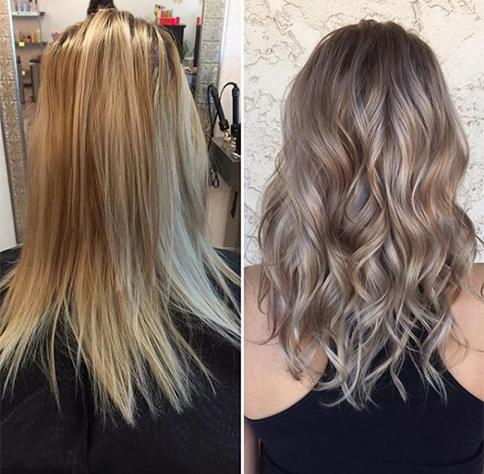
What a correction actually looks like
Most balayage photographs online are the finished half. These are both halves, from clients who came in with something they were unhappy with. Two of the three started somewhere a single appointment could not have fixed.
Living with it
Common questions
Before you book
Do I need a consultation, or can I just book the balayage?
If you have never been in, book the consultation first. It takes ten minutes and it is the difference between an appointment that goes to plan and one that runs out of time. If your hair has never been colored and you want a modest change, you can often book the service directly. If there is box dye, a previous lightening, or a big jump in mind, the consultation is not optional in practice, because what you need may be a correction rather than a balayage.
Can I request a specific stylist?
Yes, and you should once you have found the right one. Color builds on itself, and the person who painted your hair last time already knows how it behaves. You can select your stylist when booking online, or ask by name when you call.
I am nervous about going somewhere new. What if it does not go well?
That is a reasonable thing to be nervous about, and it is why the consultation exists as a separate ten-minute appointment rather than five rushed minutes at the start of a color service. You can come in, meet the person who would be doing the work, look at their portfolio, ask what they would actually recommend for your hair, and leave without booking anything. Nobody is going to pressure you in that room.
Should I bring a photograph?
Bring several, and bring the ones you dislike as well as the ones you like. Dislikes are often more informative, because they show where your line is on warmth, brightness, and contrast. Understand that a photograph is a starting point rather than a promise. The person in it has different hair, different starting color, and often a filter.
How far in advance should I book?
Further out than you would for a haircut. Balayage occupies a two-and-a-half to three-hour block, and there are only so many of those in a week at a small salon. If you have an event, book with room to spare rather than hoping for a last-minute opening.
Should I wash my hair before I come?
Come with it dry, down, and unstyled so we can see how it actually falls. Day-old hair is fine and slightly preferable, since a little natural oil protects the scalp during lightening. Skip the heavy product.
In the chair
How long does a balayage appointment take?
Around two and a half hours for balayage alone, and closer to three with a haircut. A refresh on color we established runs just under two hours. Lightening cannot be rushed without risking the condition of your hair, so the booking time is the real time. What you see when you book is what you should plan for.
What actually happens during those three hours?
A conversation and a look at your hair, then painting, which is the longest stretch and the part where you can read or work. Then processing time, a rinse, a toner at the bowl, a conditioning treatment, a cut if you booked one, and a blow-dry. You are up and down from the chair, not pinned in one position for three hours.
Can I change my mind partway through?
Yes, and it is far better to say something while we are working than to be polite and unhappy afterward. Placement and tone can both be adjusted mid-appointment. Once you are toned and finished, changing direction means another service.
Can I get balayage while pregnant?
Balayage is often preferred during pregnancy because the lightener is painted away from the scalp rather than saturated at the root, so there is minimal contact with the skin. That said, this is a question for your doctor or midwife rather than your stylist, and we would rather you ask them first. Tell us when you book so we can plan ventilation and timing around your comfort.
What if I am running late, or need to cancel?
Call as early as you can. Cancellations and reschedules require twenty-four hours notice. Inside that window, rebooking requires a charge of fifty percent of the service cost, and a missed appointment with no notice requires one hundred percent. On a three-hour color block that time cannot be refilled, which is why the policy exists.
Afterward
How often do I need to come back?
Most clients return every three to four months. Because there is no line at the root, the grow-out stays soft and you are choosing when to return rather than being forced by a visible band. A gloss toner between appointments refreshes the tone if the desert sun has pulled it warm.
What if I get home and I am not happy with it?
Call us rather than sitting with it. Hair also settles over the first week, and tone that reads bright in salon lighting on day one often reads differently by day three, so tell us what specifically is bothering you and we will talk through whether it is a toner, a placement adjustment, or something that will settle on its own.
How do I keep it looking right at home?
Wash less often than you think you need to, and in cooler water. Use a sulfate-free shampoo and a color-safe conditioner, and add heat protection before any iron or dryer. In this climate, the two things that dull balayage fastest are ultraviolet exposure and mineral buildup from hard water, so a clarifying treatment now and then and a hat on long days outside both do real work.
How much does balayage cost in Las Cruces?
Ours starts at $180 for full balayage and $150 for a refresh on color we established, with a cut bundled at $230 and $205 respectively. Prices move with length and density, because waist-length hair takes materially more product and time than a bob. You will get a firm number at consultation, before anything is mixed.
What is the difference between balayage and highlights?
Foil highlights are applied in sections wrapped in foil, which produces even, repeating placement from the root down. Balayage is painted freehand and is usually concentrated through the mid-lengths and ends. Foils give control and uniformity. Balayage gives a gradient and a softer grow-out. Neither is better in the abstract, and some clients get the best result from both used together.
Does balayage work on dark hair?
Yes, and it is one of the most requested versions of it here. On dark hair the lift is usually taken to a caramel or warm brown rather than a blonde, and the placement is kept softer so the contrast reads as dimension rather than stripes. How light we can go in one appointment depends on your hair’s history and condition, which is what the consultation is for.
Will it damage my hair?
Any lightening opens the cuticle, so the honest answer is that it is a chemical service and condition matters. The protections are placement away from the scalp, not over-lifting in a single session, and conditioning afterward. If your hair is not ready for the lift you want in one appointment, you will hear that, along with the plan that gets you there safely.
Visit
Find us in La Mission Plaza
Studio One Six · Salon and Spa
225 E. Idaho Ave, Unit 6
Las Cruces, NM 88005
(575) 652-4111
studioonesixad@gmail.com
| Sunday | Closed |
|---|---|
| Monday to Friday | 10am to 6pm |
| Saturday | 9am to 3pm |
Start with a conversation
Ten minutes, no obligation. Bring your photographs and your hair history and you will leave knowing what is possible, what it costs, and how many appointments it takes.